“깨끗한 피부, 영원히 유지하는 비결: 재발 방지 및 건강한 습관”: “여드름 치료 후에도 깨끗한 피부를 유지하기 위한 장기적인 관리 전략을 제시합니다. 재발 방지를 위한 생활 습관 개선, 올바른 화장품 선택법, 스트레스 관리 등 건강한 피부를 위한 총체적인 접근 방식을 공유하여 독자들이 자신감을 가지고 지속적인 관리를 이어갈 수 있도록 격려합니다.”
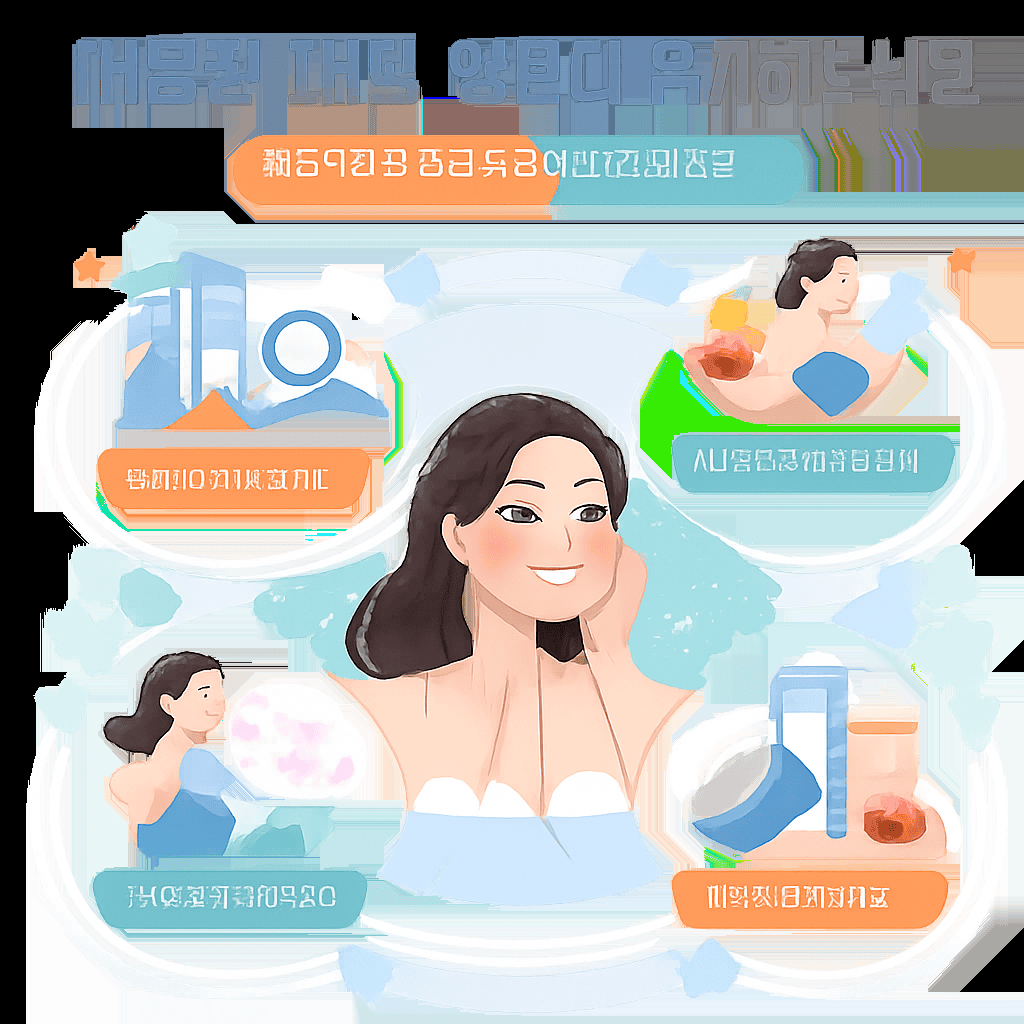
여드름 치료, 그 후의 관리: 깨끗한 피부를 위한 첫걸음
The journey to clear skin doesnt end with acne treatment; in fact, its just the beginning of a crucial maintenance phase. Many individuals find themselves at a crossroads after successful treatment, wondering how to preserve their hard-won clarity and prevent future flare-ups. This initial period post-treatment is particularly vital because the skin, having undergone therapeutic intervention, can be more sensitive and prone to irritation. Therefore, a focused approach on recovery and prevention is paramount. Key strategies during this early stage revolve around gentle, supportive care. This includes diligently using non-comedogenic and fragrance-free moisturizers to aid the skins natural barrier function without clogging pores or causing further inflammation, and being extremely mindful of any potentially irritating ingredients in skincare products or even cleansing tools. Minimizing friction and avoiding harsh scrubbing are also fundamental to allow the skin to heal and stabilize. By establishing these foundational practices, we lay the groundwork for long-term skin health and resilience, setting the stage for more comprehensive, ongoing management strategies.
재발 없는 피부, 생활 습관의 힘: 건강한 루틴 만들기
The journey to persistently clear skin extends far beyond the dermatologists office. While treatments effectively address active breakouts, true long-term success hinges on cultivating sustainable, healthy habits. This is where the power of lifestyle truly shines, forming the bedrock of relapse prevention.
From my experience observing countless individuals striving for lasting skin health, it’s become abundantly clear that topical solutions, while crucial, are only part of the equation. The real transformation, the kind that lasts, is built from within. This means a deep dive into the daily routines that directly impact our skins resilience and inflammatory response.
Consider, for instance, the profound effect of diet. We often hear about eating for clear skin, but the science behind it is compelling. A diet rich in antioxidants, found in colorful fruits and vegetables, helps combat oxidative stress, a major contributor to inflammation that can trigger acne. Conversely, excessive consumption of refined sugars and processed foods can lead to blood sugar spikes, which in turn can increase androgen hormones and sebum production, creating a perfect storm for breakouts. My observations consistently show individuals who adopt a balanced, whole-foods-based diet experience a noticeable reduction in inflammatory lesions and a more even skin tone over time. This isnt about restrictive dieting; its about making conscious choices that nourish the body and, by extension, the skin.
Then theres the critical role of sleep. While we rest, our bodies are hard at work repairing and regenerating. For the skin, this means shedding dead cells, producing collagen, and fighting off inflammation. Chronic sleep deprivation disrupts these vital processes. It elevates cortisol levels, the bodys primary stress hormone, which can exacerbate acne. I’ve seen firsthand how improving sleep hygiene – aiming for seven to nine hours of quality sleep per night – can dramatically improve skins ability to heal and reduce redness and puffiness. Simple strategies like establishing a consistent sleep schedule, creating a relaxing bedt 모공각화증 ime routine, and ensuring a dark, cool sleep environment can make a significant difference.
Regular physical activity is another cornerstone of a relapse-proof skincare regimen. Exercise boosts circulation, delivering oxygen and nutrients to skin cells, which promotes healing and a healthy glow. More importantly, its a powerful stress reliever. As well discuss further, stress is a notorious acne trigger, and finding healthy outlets for it is paramount. Moderate exercise, whether its a brisk walk, yoga, or a gym session, can help regulate stress hormones and improve overall skin health. However, its crucial to manage exercise-related skincare, such as cleansing thoroughly after sweating to prevent pore blockages.
The cumulative effect of these lifestyle pillars – a nutrient-dense diet, adequate restorative sleep, https://www.thefreedictionary.com/모공각화증 and consistent, stress-reducing exercise – is the strengthening of the skins natural barrier function. A robust skin barrier is less susceptible to irritants and bacteria, and better equipped to retain moisture, leading to healthier, clearer, and more resilient skin in the long run. This holistic approach moves beyond superficial fixes, addressing the root causes of recurring skin issues and empowering individuals to take control of their skin health through deliberate, positive daily choices.
Moving forward, once the foundation of healthy habits is firmly established, we can then explore how the products we choose to apply to our skin play a crucial role in maintaining this hard-won clarity.
나에게 맞는 화장품 찾기: 똑똑한 성분 분석과 선택 가이드
The journey to perpetually clear skin doesnt end with the successful treatment of acne. In fact, for many, the post-treatment phase presents a new set of challenges, particularly when it comes to selecting the right skincare products. The skin, having undergone treatment, is often more sensitive, making the wrong product choice a potential setback. This is where a discerning approach to cosmetic ingredients becomes paramount.
My experience in the field has shown a recurring theme: patients, eager to maintain their clear complexions, often find themselves overwhelmed by the sheer volume of products available. The marketing hype surrounding many brands can obscure the fundamental truth – that the effectiveness and suitability of a product lie in its ingredients. This isnt about blindly trusting a brand; its about developing an educated eye for what genuinely benefits your skin.
Lets delve into how to navigate this complex landscape. The first step is understanding your skin type, which might have subtly changed after treatment. Is it still oily, or has it become drier? Is it prone to redness or irritation? Knowing this is the foundation. Beyond that, consider the specific needs of post-acne skin. It often requires ingredients that soothe, hydrate, and support the skin barrier without clogging pores or causing further inflammation.
This leads us to the critical aspect: ingredient analysis. For instance, ingredients like hyaluronic acid and ceramides are generally excellent for hydration and barrier support, crucial for sensitive, post-treatment skin. Niacinamide is another powerhouse, known for its anti-inflammatory properties and ability to improve skin texture and tone. These are the types of ingredients we want to actively seek out.
Conversely, certain ingredients are best avoided, especially during this sensitive period. High concentrations of alcohol can be drying and irritating. Fragrances, while pleasant, are common allergens and irritants. Comedogenic ingredients, which are known to clog pores, must be scrutinized, particularly if your skin is still prone to breakouts. A simple way to approach this is to look for products labeled non-comedogenic and hypoallergenic, but always cross-reference with the full ingredient list.
Developing this ingredient-savvy mindset empowers you to make informed decisions. It transforms you from a passive consumer into an active participant in your skins health. By understanding what your skin needs and what it can do without, you can select products that actively contribute to maintaining that hard-won clarity, rather than inadvertently causing new problems. This meticulous selection process is a vital component of the long-term strategy for keeping your skin clear and healthy, paving the way for sustained confidence and continued well-being.
마음과 피부의 연결고리: 스트레스 관리와 긍정적인 마인드셋
The connection between mind and skin is undeniable, and understanding this link is crucial for maintaining clear, healthy skin long-term. Our skin often acts as a mirror to our internal state, and stress is a primary culprit that can undo even the most diligent skincare routines. In this final section, we delve into how psychological factors impact skin health and explore practical strategies for managing stress effectively.
From personal experience and numerous dermatological studies, its evident that elevated stress levels trigger a cascade of physiological responses. Cortisol, the stress hormone, increases oil production, which can lead to clogged pores and breakouts. It also exacerbates inflammation, making existing conditions like acne, eczema, or rosacea worse. This creates a vicious cycle: skin issues cause stress, and stress worsens skin issues. Breaking this cycle requires a holistic approach that prioritizes mental well-being.
Implementing effective stress management techniques is not just a wellness trend; its a vital component of sustainable skin health. Practices like mindfulness meditation have shown remarkable results in reducing cortisol levels and calming the nervous system. Even a few minutes of daily meditation can make a significant difference. Engaging in hobbies that bring joy and relaxation, whether its reading, gardening, painting, or listening to music, provides a much-needed escape from daily pressures. These activities act as powerful antidotes to stress, allowing the body and mind to recover.
For those struggling with persistent stress or anxiety, seeking professional help through therapy or counseling can be incredibly beneficial. A therapist can provide tools and strategies tailored to individual needs, helping to address the root causes of stress and develop coping mechanisms. This mental health support directly translates to improved skin health by reducing the physiological impact of chronic stress.
Furthermore, cultivating a positive mindset plays an equally important role. A positive outlook can influence our perception of challenges, making us more resilient. When we feel good about ourselves, we are more likely to engage in healthy behaviors, including consistent skincare and mindful eating. This self-care reinforces a positive feedback loop, where feeling good leads to looking good, and looking good further boosts our confidence and positivity.
In conclusion, achieving and maintaining clear, radiant skin is a journey that extends far beyond topical treatments and external applications. It is intrinsically linked to our inner state. By actively managing stress through techniques like meditation and engaging in enjoyable activities, and by fostering a positive mindset, we create an environment where our skin can thrive. This integrated approach, combining diligent skincare with robust mental and emotional well-being, is the true secret to lasting skin health and a confident, radiant complexion. The commitment to this comprehensive care is what empowers individuals to continue their journey towards healthy skin with sustained confidence.
답글 남기기